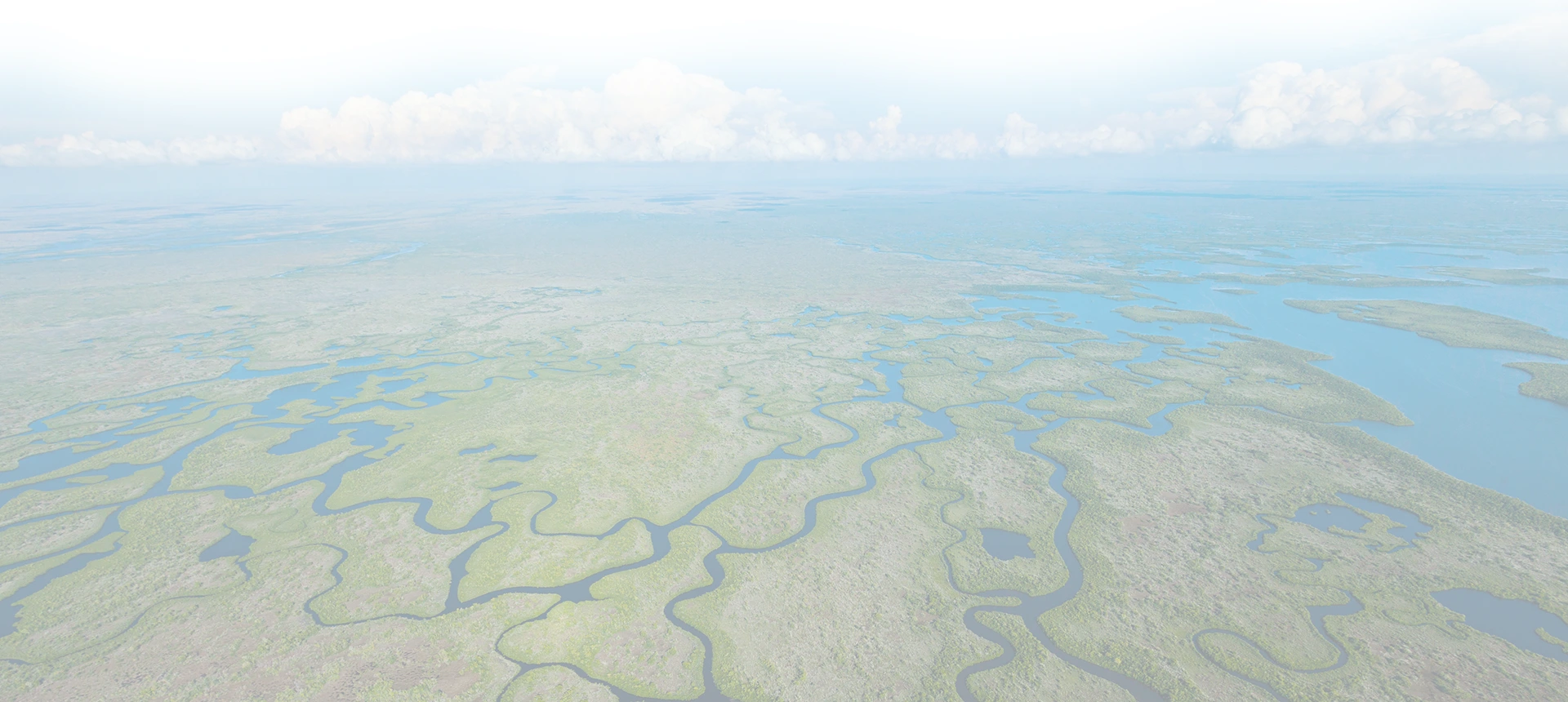
The river of grass: unveiling the subtropical wilderness

Tracing the calusa and seminole heritage
Indigenous tribes developed rich cultural traditions here for centuries, mastering the waterways with hand-carved canoes long before the arrival of modern settlers.

Preserving the delicate hydrological balance
Comprehensive Everglades Restoration Plan (CERP) projects aim to correct historic water flow disruptions caused by decades of urban and agricultural development, improving water quality.

Navigating the wet and dry seasons
Winter months bring lower humidity, concentrated wildlife, and seasonal ranger-led programs. Summer offers lush vegetation and dramatic afternoon storms, ideal for landscape photography.
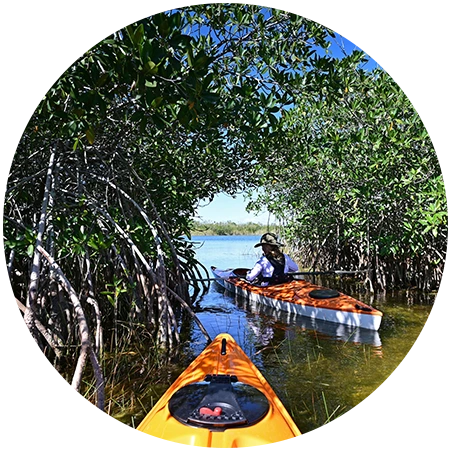
Immersive experiences in the Mangrove tunnels
Guided kayak tours through the Nine Mile Pond canoe trail reveal intricate red mangrove root systems. These dense coastal forests are vital marine life nurseries and provide storm surge protection, creating a calm environment for wildlife viewing.
Exhilarating airboat tours offer a faster pace across the sawgrass prairies, allowing visitors to cover vast distances and spot American alligators basking on mud banks.
Understanding the distinct biological zones
Hardwood hammocks rise from the wetlands like islands, supporting tropical trees and providing dry ground for rare terrestrial mammals like the elusive Florida panther and black bear.
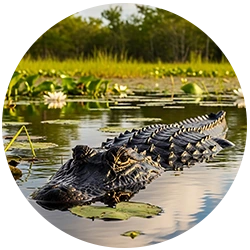
The American alligator and crocodile
This region remains the only place on Earth where these two distinct crocodilian species naturally co-exist, a unique ecological phenomenon.
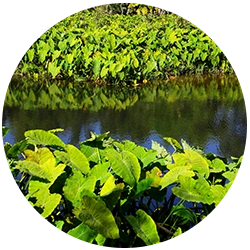
Flora of the lush Sawgrass Marshes
Cladium jamaicense, or sawgrass, dominates the landscape, its serrated edges a key adaptation to the fluctuating water levels of the freshwater marsh ecosystem.
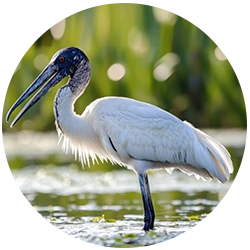
Avian diversity in the wetlands thrives
Large flocks of wading birds, like the federally threatened wood stork and white ibis, often congregate in shallow waters to feed during the winter dry season.
Essential preparations for a safe expedition
A safe expedition into this wilderness requires a detailed packing list, including insect protection and hydration. The subtropical climate dictates specific performance gear choices to ensure comfort during sun exposure on backcountry hiking trails.
- DEET-based insect repellent
- Polarized sunglasses for glare reduction
- Waterproof hiking boots for muddy trails

Securing lodging near the national park
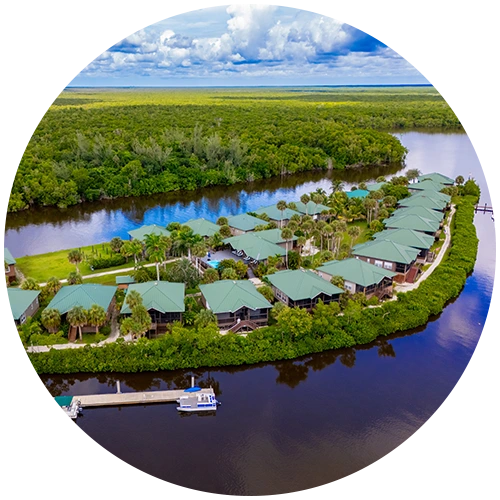
Visitors choose between full-amenity campgrounds inside the park or hotels in nearby Homestead. Frontcountry camping provides facilities, while primitive backcountry camping requires permits for a rugged, isolated experience.
Booking accommodations early is crucial during the dry season. The influx of international tourists and “snowbirds” fills spots months in advance, leaving few options for spontaneous trip planning.
Mastering the art of nature photography
Sunrise and sunset golden hour transforms the flat landscape, creating depth. Photographers on the Anhinga Trail capture herons spearing fish or turtles sunning. A telephoto lens allows for ethical wildlife photography, capturing details of animal behavior without disturbing the ecosystem.
Access points and visitor centers
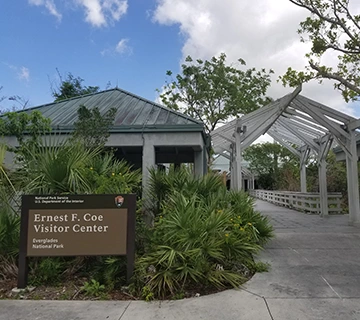
Three main entrances provide access to different ecosystems, from the Gulf Coast to the Royal Palm area, which helps manage visitor density and protect sensitive habitats.